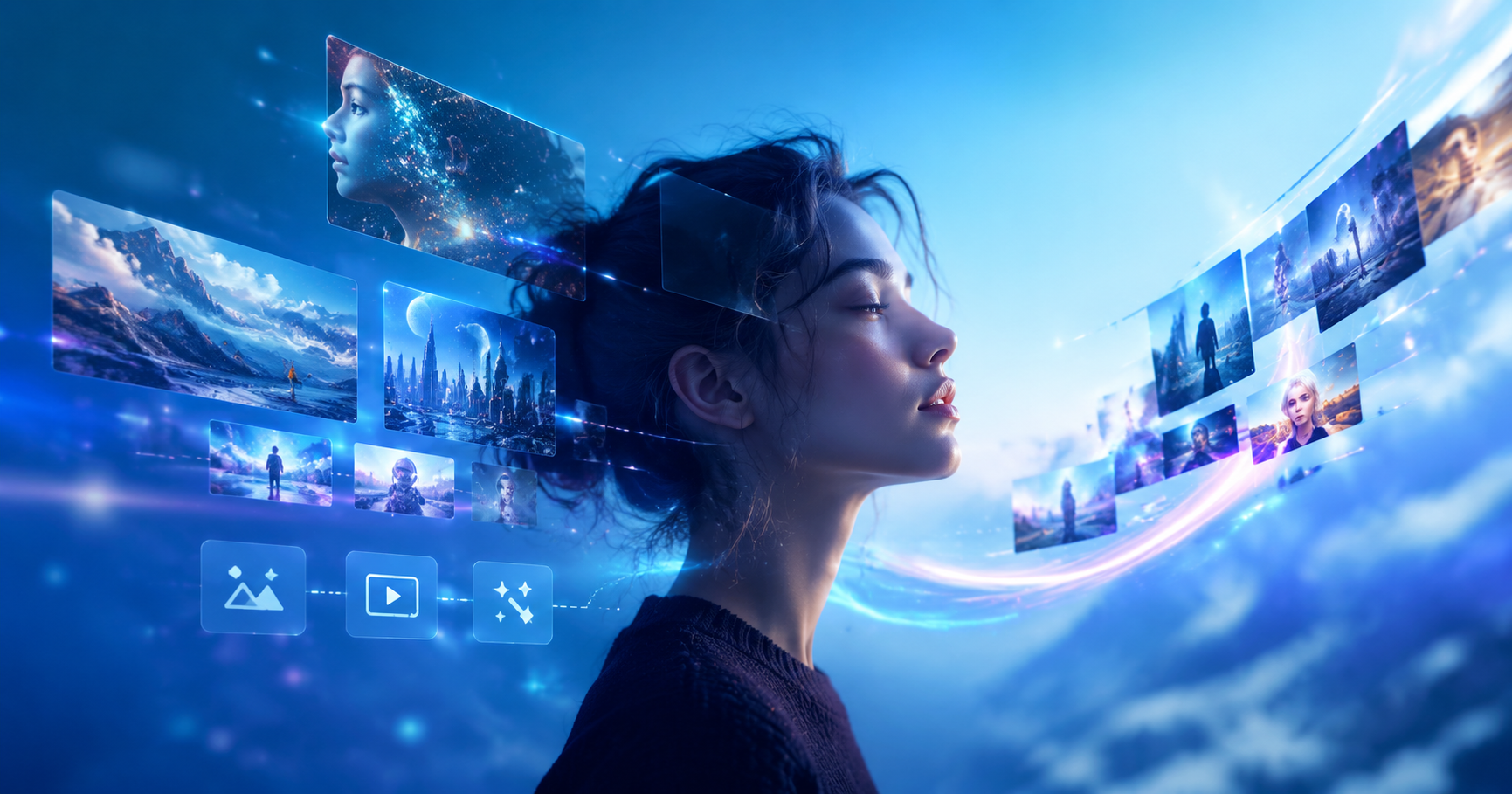
Artistic portrait AI prompts are written instructions that ask an AI image generator for a face, a mood, a texture, and a story in one clear direction. They work best when you move past generic words like pretty or nice and instead name the style, light, color palette, and emotional tone. This guide gives you 25 ready to copy prompts for painterly, cinematic, surreal, vintage, black and white, and minimalist portrait images. You can use them as they are, adapt them to your own subject, and learn how to improve weak results. If you generate in CoupleLens, enter the prompt in text to image mode or pair it with a photo in image to image mode to keep a real face consistent.
What Makes an AI Portrait Prompt Artistic?
An artistic portrait prompt works when every word moves the image away from a generic headshot. The most reliable prompts name three qualities: style or medium, lighting, and emotional tone. For example, oil painting texture with soft north window light and a calm expression produces a different image than hard studio flash with a glossy magazine look and a confident grin. Add details like visible brushstrokes, film grain, matte finish, or muted color to give the AI a clear visual target. Avoid weak words like beautiful or nice because they do not describe a visual direction. Instead, write the actual look you want, such as soft focus, warm rim light, alabaster skin, and a quiet melancholic mood.
In CoupleLens, you can enter these prompts in text to image mode or pair them with a reference photo in image to image mode. The reference route helps preserve facial structure while changing the style. The prompts below are complete text to image instructions, but you can replace each subject description with the person in the uploaded photo.
25 Artistic Portrait AI Prompts to Copy and Adapt
Painterly and Fine Art Portraits
- 1. Oil portrait study. Close-up portrait of a woman with deep brown eyes and dark hair pulled back, oil painting texture with visible brushstrokes, Rembrandt lighting, muted umber and sienna palette, dark background, quiet thoughtful expression, fine art museum quality.
- 2. Watercolor wash portrait. Soft watercolor portrait of an elderly man with a silver beard, cold pressed paper texture, pale cobalt and rose wash, natural window light, gentle half smile, delicate edges.
- 3. Impressionist garden portrait. Impressionist portrait of a young red haired girl in a garden, dappled sunlight, broken color, loose brushwork, pastel greens and peach tones, joyful upward gaze.
- 4. Ancient fresco portrait. Profile portrait of a Mediterranean man in the style of an ancient Roman fresco, cracked plaster texture, faded terracotta and ochre, strong side light, weathered but calm expression.
- 5. Charcoal and gold leaf portrait. Black woman with short natural hair, charcoal drawing with gold leaf accents, dark background, high contrast, sculptural cheekbones, regal posture, majestic fine art portrait.
Cinematic and Editorial Portraits
- 6. Rainy night film still. Cinematic film still of a man on a rain slicked street at night, neon reflections, teal and orange grade, 35mm film look, shallow depth of field, intense downward glance.
- 7. Editorial beauty portrait. High fashion editorial portrait of a woman with wet hair pulled back, glossy skin, coral and gold makeup, soft beauty dish lighting, warm beige background, confident gaze.
- 8. Neo noir portrait. Black and white neo noir portrait of a detective in a trench coat, venetian blind shadows, low key lighting, subtle cyan tint, steam rising from a coffee cup, weary expression.
- 9. Golden hour cinematic portrait. Cinematic portrait of a farmer in a wheat field, backlit by low golden sun, gentle lens flare, warm amber palette, 85mm lens, shallow focus, quiet pride.
- 10. Coastal mood portrait. Moody cinematic portrait of a woman in a wool coat on a coastal cliff, soft diffused gray light, muted navy and slate tones, wind blown hair, composed and resilient expression.
Surreal and Conceptual Portraits
- 11. Celestial double exposure. Double exposure portrait of a side profile filled with a starry night sky and pine forest, dark silhouette, deep blue and silver palette, dreamlike and quiet.
- 12. Botanical skin portrait. Close up surreal portrait of a serene face with small white flowers emerging along the collarbone and cheek, soft studio light, pale green background, ethereal fine art.
- 13. Paper cut portrait. Minimalist surreal portrait of a woman formed by layered paper cutouts in cream, blush, and gold, soft shadows, top down flat lay feel, precise edges.
- 14. Glass refraction portrait. Abstract portrait of a face seen through textured glass, distorted edges, prism light streaks, cool pastel palette, emotionally distant and dreamlike mood.
- 15. Floating silk portrait. Conceptual portrait of a woman in a dark room with long silk fabric suspended in frozen motion, deep burgundy and black palette, dramatic spotlight, ballet inspired pose.
Vintage and Alternative Process Portraits
- 16. Daguerreotype portrait. Daguerreotype portrait of a woman in period dress, silver mirror plate look, sepia and tarnished edges, formal stiff pose, authentic 1850s studio feel.
- 17. 1970s film portrait. Vintage film portrait of a man with long wavy hair in a corduroy jacket, faded Kodachrome colors, heavy grain, warm indoor lamp light, 1970s magazine look.
- 18. Polaroid portrait. Polaroid instant photo of a teenager in a vintage band t-shirt against floral wallpaper, soft flash, faded white border, slight lens blur, nostalgic mood.
- 19. Cabinet card portrait. 1890s cabinet card portrait of a single subject in a dark Victorian studio, hand tinted cheeks, heavy vignette, crackled paper texture, solemn expression.
- 20. Cyanotype portrait. Cyanotype portrait of a face in profile, deep Prussian blue, botanical shadows across the cheek, handmade emulsion texture, bright white highlights, sun print aesthetic.
Minimal and Abstract Portraits
- 21. Minimal black and white portrait. Minimal black and white portrait of a bald man with strong bone structure, pure white background, one hard shadow, fine film grain, high contrast, calm.
- 22. Geometric portrait. Abstract geometric portrait of a face broken into flat color planes, Matisse influence, bold red, blue, and cream, graphic poster style, clean lines.
- 23. Light and shadow portrait. Dramatic portrait of a face with one half in complete shadow, other half lit by a narrow slit of light, black void background, subtle skin texture, meditative.
- 24. Negative space portrait. Minimalist portrait of a small profile at lower right, vast empty warm beige wall, soft natural light, muted linen tones, lots of negative space.
- 25. Textured monochrome portrait. Abstract fine art portrait of a single eye and eyebrow, charcoal black background, silver dust, sharp iris detail, monochrome, intimate and sculptural.
How to Adapt These Prompts for Your Own Subject
Each prompt has a subject, a light source, a color palette, and a medium. Replace the subject with specific details about your person: age, hair length and color, skin tone, expression, clothing, and setting. Do not write generic words like girl or guy. Instead, write a woman in her thirties with chin length black hair and a silver jacket. The more specific the subject, the more natural the portrait will look.
If you want to keep a real person's identity, use image to image mode in CoupleLens. Upload the photo first, then add the style portion of the prompt, such as oil painting texture with Rembrandt lighting and muted earth tones. Keep the style direction intact while dropping the invented subject description.
You can also change one visual layer at a time. For example, take the rainy night cinematic prompt and replace the man with a woman in a yellow raincoat, or move the scene to a snowy street with blue and white grading. Small changes keep the prompt focused and help you build a series.
How to Improve Weak or Generic Portrait Results
If the image looks flat, add a light source. Words like north window light, rim light, split lighting, or dappled shade give the face shape. If the style overpowers the subject, reduce adjectives. Keep one style term, one lighting term, and one palette term. If the face looks plastic, add texture through visible brushstrokes, film grain, linen texture, or subtle skin pores. If the colors feel unnatural, replace vague words like colorful with a three color palette such as ochre, olive, and cream.
- Blurry eyes. Add sharp focus on the catchlights and detailed iris texture.
- Flat composition. Add negative space, a strong side profile, or an off center subject.
- Overexposed skin. Replace bright studio lighting with soft diffused north light or low key lighting.
- Style not strong enough. Name a specific medium or movement, such as watercolor on cold pressed paper or 1970s Kodachrome film.
- Unrelated background. Describe the background as part of the prompt, not as an afterthought.
Using CoupleLens to Generate These Portraits
CoupleLens is a mobile AI design app for text to image and image to image creation. You can paste any prompt from this list into the text prompt field, choose a style template from the in app library, and generate a high resolution portrait in seconds. If you want to preserve your own face, upload a photo first and let the AI apply the style while keeping your features recognizable. The app is available on Google Play, and all creation happens on your phone.
Final Checklist for Artistic Portrait AI Prompts
- Name a clear medium, such as oil painting, film still, Polaroid, or charcoal.
- Add one light source and one direction, such as north window light or low golden backlight.
- Define a limited color palette instead of using the word colorful.
- Describe the subject with specific physical details.
- Add a mood or expression, not just a face.
- Remove words that do not describe a visual direction, like beautiful or amazing.
- Test the prompt in text to image mode, then refine one phrase at a time.